

Cultural perspectives on gambling How beliefs shape our bets
Cultural perspectives on gambling How beliefs shape our bets
The Influence of Culture on Gambling Practices
Gambling is deeply woven into the fabric of various cultures, often reflecting societal values, traditions, and historical contexts. Different cultures possess unique beliefs surrounding luck, fate, and chance, which significantly influence their gambling practices. For instance, in many Asian cultures, specific numbers, such as eight, symbolize luck and prosperity, leading to a preference for games that emphasize these numbers. This cultural attachment to numerology impacts betting strategies and gaming preferences, demonstrating how beliefs shape the gambling experience. Offering fascinating options, players can also explore Spinra free play to enhance their engagement in the gambling world.

In contrast, Western cultures may approach gambling with a more individualistic mindset, where personal skill and strategy are emphasized over luck. The notion of ‘the house always wins’ resonates deeply in places like Las Vegas, where the environment cultivates a mindset of risk and reward. In these societies, the act of betting can be seen as a thrilling challenge, encouraging innovation and personal achievement, while also acknowledging the inherent risks involved. This diversity in perspective reveals the multifaceted nature of gambling practices worldwide.
Moreover, cultural narratives surrounding gambling can heavily influence public perception and acceptance. In some societies, gambling is embraced as a form of entertainment and community bonding, while in others, it may be viewed with skepticism or moral outrage. This variance often stems from historical events, such as gambling being used as a means of income during economic hardship, thus creating a complex relationship between culture and gambling behaviors. Understanding these cultural perspectives is crucial for fostering responsible gambling practices that respect diverse beliefs.
Religious Views and Their Impact on Gambling
Religious beliefs play a pivotal role in shaping attitudes toward gambling across various cultures. Many religions view gambling as a vice, associating it with greed and moral decay. For example, Islam strictly prohibits gambling, considering it haram, which reinforces the notion that relying on chance for financial gain is unethical. This religious stance has led to significant consequences in regions where Islam is predominant, including the absence of casinos and other betting establishments.
Conversely, certain religious practices incorporate gambling-like activities in a positive light. In some Christian communities, for instance, games of chance during community events can foster fellowship and support charitable causes. This duality showcases how the interpretation of religious doctrines can lead to varying attitudes toward gambling, further complicating the cultural landscape. The nuances of these beliefs dictate not only individual behavior but also the legality and prevalence of gambling within those communities.
As societies evolve, the intersection of religion and gambling continues to develop, often leading to debates regarding moral boundaries and personal freedoms. Individuals may find themselves caught between traditional beliefs and modern influences, seeking a balance that allows for both enjoyment and adherence to their faith. This ongoing dialogue underscores the need for culturally sensitive approaches in the gambling industry, ensuring that diverse perspectives are considered and respected.
Social Norms and Their Role in Gambling Behavior
Social norms significantly influence how gambling is perceived and practiced within a community. In cultures where gambling is socially accepted, it becomes a regular pastime, often intertwined with celebrations and social gatherings. This acceptance can encourage participation among various demographics, including young adults who view gambling as a rite of passage. The communal aspect of gambling fosters a sense of belonging and camaraderie, creating shared experiences that reinforce cultural ties.
On the other hand, societies that stigmatize gambling often see it pushed underground, leading to clandestine gambling activities that may not adhere to responsible practices. In these cultures, individuals who gamble may face social ostracism or legal repercussions, shaping their choices and behaviors. The fear of judgment can discourage open discussions about gambling, thus perpetuating myths and misconceptions, which can further alienate individuals struggling with gambling-related issues.
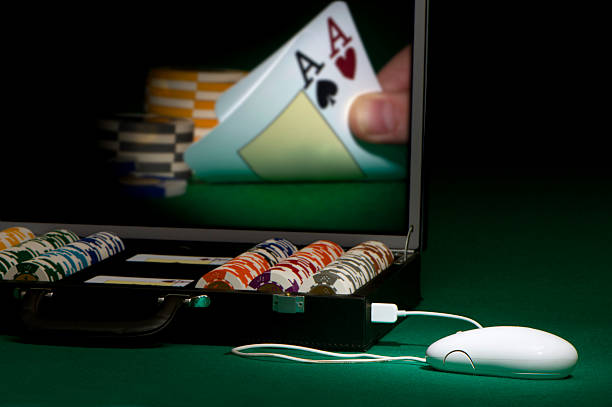
Furthermore, the impact of social media and modern technology has transformed how gambling norms evolve. With the rise of online casinos and gaming apps, more people are engaging with gambling in private settings, often detached from societal scrutiny. This shift can change the dynamics of gambling, creating new norms that challenge traditional views. Understanding these evolving social norms is crucial for policymakers and the gambling industry, as they develop strategies to promote safe and responsible gambling across diverse populations.
The Psychological Aspects of Gambling Across Cultures
Cultural beliefs and values profoundly affect the psychology behind gambling. The motivations for engaging in gambling activities can vary widely across different societies, often influenced by cultural narratives surrounding luck, chance, and success. In cultures that celebrate communal achievements, individuals may gamble to enhance group dynamics or symbolize their aspirations. Conversely, in societies that prioritize individual success, the psychological thrill of gambling can manifest as a personal challenge, encouraging risk-taking behaviors.
The role of superstition also plays a significant part in the psychological aspect of gambling. Different cultures have unique rituals and superstitions that they believe influence outcomes. For instance, in certain African cultures, specific objects or charms are carried as talismans to bring good luck while gambling. These psychological factors can create a deep connection between an individual’s identity and their gambling practices, reinforcing both positive and negative outcomes.
Moreover, understanding the psychological impact of gambling is crucial for addressing gambling addiction, a growing concern worldwide. Cultural contexts can shape the perception of gambling-related problems, influencing how communities respond to individuals seeking help. By recognizing the psychological dimensions of gambling within specific cultural settings, stakeholders can develop targeted interventions that respect cultural beliefs while promoting awareness and support for those affected by gambling-related issues.
Exploring SpinRa: A Cultural Perspective on Online Gambling
SpinRa, an innovative high-volatility instant game, exemplifies the intersection of culture and gambling in the digital age. By immersing players in the charm of Ancient Egypt, it not only entertains but also offers a glimpse into how cultural themes can shape gaming experiences. Players are invited to engage with a mystical artifact wheel, aiming for multipliers that can reach up to x300. This blend of strategy and chance reflects how cultural narratives can enhance the thrill of gambling.
What sets SpinRa apart is its commitment to transparency and fairness through a Provably Fair system. This feature resonates with players from various cultural backgrounds who seek assurance that their gaming experience is both equitable and trustworthy. By addressing cultural concerns about fairness in gambling, SpinRa enhances player confidence and broadens its appeal across diverse demographics.
Ultimately, SpinRa exemplifies how cultural perspectives can shape the online gambling landscape. By combining engaging gameplay with cultural narratives and fair practices, it attracts players from different backgrounds, fostering a global gambling community. Understanding these cultural influences is essential for developing successful gaming experiences that resonate with a broad audience, bridging gaps between tradition and modernity in the realm of gambling.